Approaching Corfu by ferry, the scene could almost be mistaken for the Italian Adriatic: a fortress-crowned promontory, church spires rising above terra-cotta rooftops, the elegant arcades of the Liston promenade fronting a manicured esplanade. This is no accident. For over four centuries, Corfu belonged to Venice, and the Serenissima's influence pervades every aspect of island life—from architecture and cuisine to music and social customs. The result is a Greece unlike any other: Mediterranean at its core but touched by Italian sophistication.1
A History Written in Stone
Corfu's strategic position at the entrance to the Adriatic Sea made it a prize coveted by successive empires. The Venetians, who controlled the island from 1386 to 1797, shaped it most profoundly. Unlike the Ottoman territories elsewhere in Greece, Corfu never fell to Turkish rule—the massive fortifications the Venetians constructed proved impregnable during multiple sieges.2
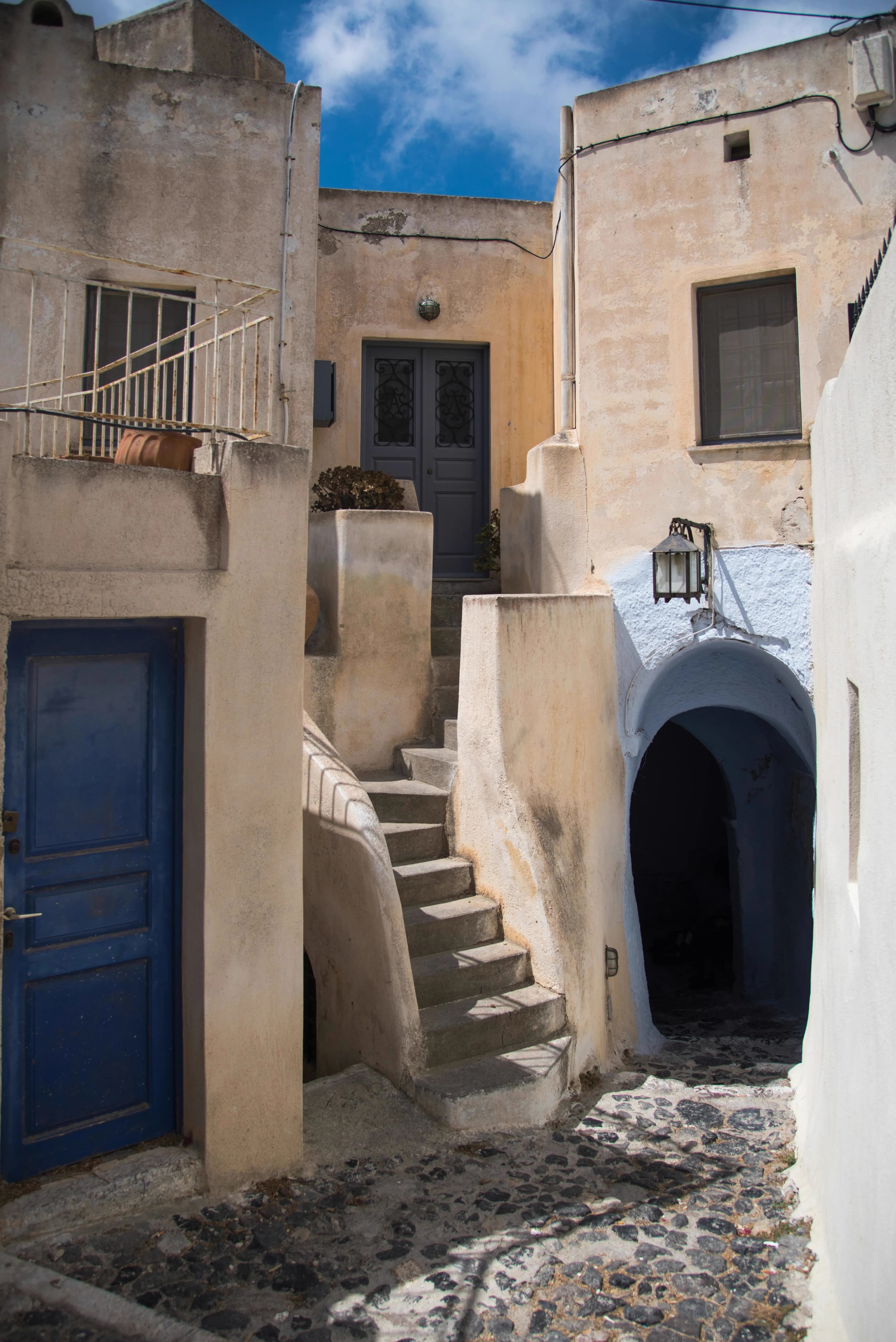
This Venetian legacy distinguishes Corfu from every other Greek island. While the Cyclades developed their iconic whitewashed aesthetic under Ottoman influence, Corfu built in the Venetian manner: multi-story townhouses with Italianate facades, churches with campaniles rather than domes, public spaces designed for the evening passeggiata. The Venetian nobility constructed country estates across the island, their gardens and olive groves still visible today.
After Venice fell to Napoleon, Corfu passed through French and British hands before joining Greece in 1864. Each occupier left traces: the French introduced the elegant Liston arcade, modeled on Paris's Rue de Rivoli; the British built roads, established education, and left behind a passion for cricket that persists to this day. This layered history creates a cultural complexity found nowhere else in Greece.
Corfu Town: An Architectural Treasure
Corfu Town (Kerkyra) ranks among the most beautiful urban centers in the Mediterranean. The UNESCO-listed old town combines Venetian, French, and British architecture in a harmonious whole, its narrow lanes (kantounia) winding between tall buildings whose shuttered windows and wrought-iron balconies evoke Venice or Nice rather than Athens.3
The town arranges itself between two Venetian fortresses. The Old Fortress (Palaio Frourio), built on an ancient promontory, dominates the eastern approach. The New Fortress (Neo Frourio), despite its name dating to the 16th century, guards the harbor. Between them spreads the old town, a maze of lanes too narrow for vehicles, punctuated by small squares (platiés) where daily life unfolds.
The Spianada, the vast esplanade separating the old town from the Old Fortress, serves as Corfu's social center. This green space, one of the largest squares in Europe, hosts cricket matches in summer—a British legacy that has become genuinely Corfiot. The Liston arcade, running along the square's western edge, provides the setting for the evening volta, when locals parade in their finest while occupying cafe tables for hours of coffee and conversation.
The old town rewards aimless wandering. Venetian palazzos converted to museums and hotels line the grander streets. Byzantine churches, distinguished by their campaniles, anchor small squares. Hidden restaurants occupy ground floors that might once have been storerooms or workshops. The Jewish quarter, though its community was devastated in World War II, preserves synagogues and distinctive architecture.
The Venetian Countryside
Beyond Corfu Town, the Venetian legacy continues in the countryside. The island's famous olive groves—some four million trees by recent counts—owe their existence to Venetian agricultural policy, which encouraged olive cultivation through land grants and financial incentives. The ancient, gnarled olives that characterize Corfu's landscape date largely to this period.4
Venetian estates (country houses called archontika) dot the island's interior. Some have been restored as hotels or private residences; others crumble romantically among overgrown gardens. The villages they anchored preserve distinctive architecture: houses built of local stone, often with Venetian decorative elements, clustered around churches whose design reflects Italian influence.
The olive oil produced from these ancient groves ranks among Greece's finest. The Venetians established the infrastructure that still exists: stone mills, storage facilities, and export networks. Visiting a traditional olive mill during harvest season (November-February) provides insight into practices unchanged for centuries, though modern methods increasingly supplement traditional pressing.
Beaches and Coastline
Corfu's coastline offers remarkable variety. The eastern shore, facing the Greek mainland, features calm waters and gentler beaches suited to families. The western coast, exposed to the open Ionian Sea, alternates dramatic cliffs with stunning sandy beaches. The north offers both developed resorts and hidden coves, while the south remains quieter and less exploited.5
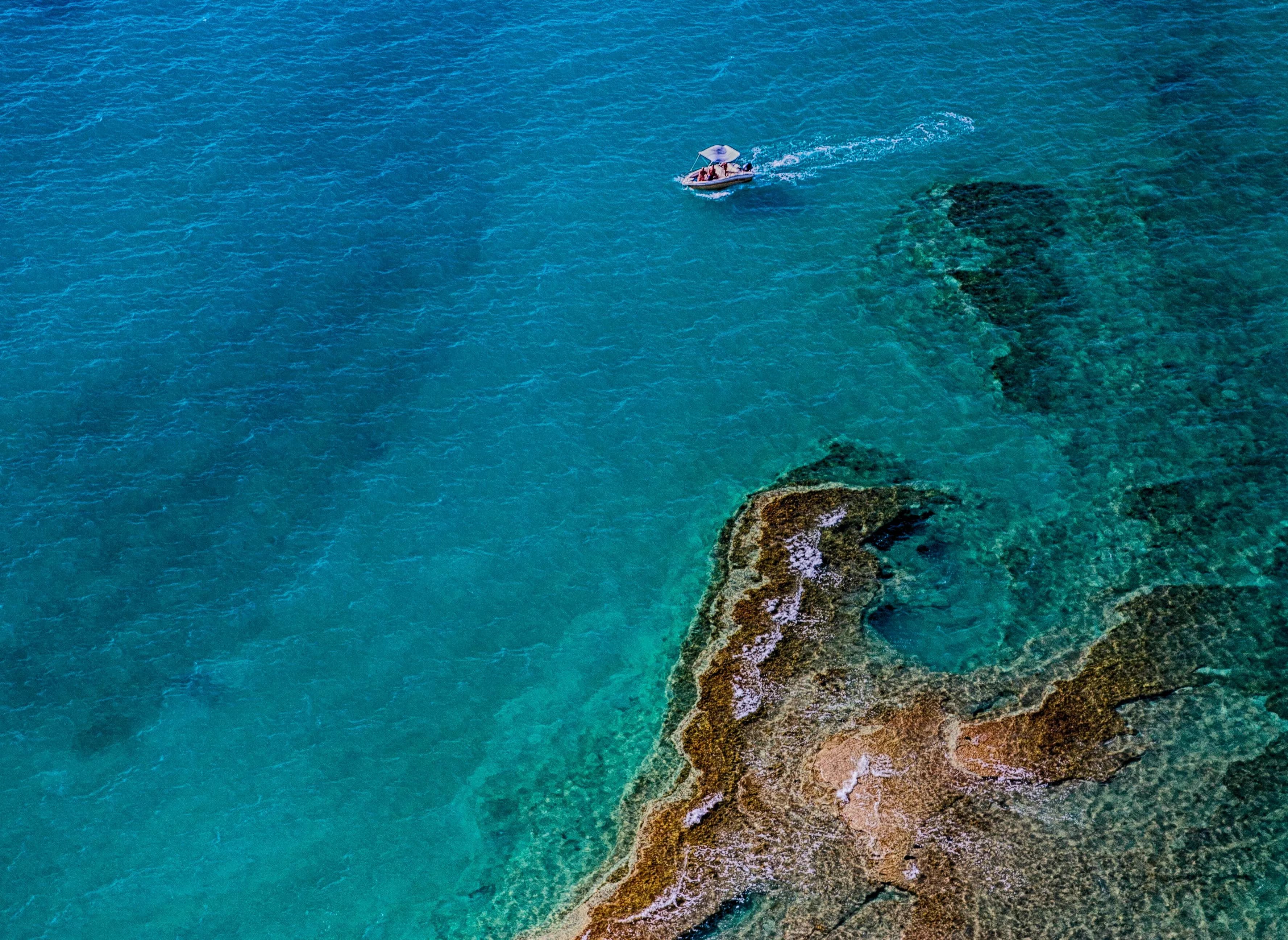
Paleokastritsa, on the northwestern coast, has attracted visitors since the Homeric era—legend identifies it as the land of the Phaeacians, where Odysseus washed ashore. The reality lives up to the myth: a complex of bays and headlands, their waters an almost unbelievable turquoise, backed by cypress-covered hills. A Byzantine monastery crowns the central promontory, offering views across one of the Mediterranean's most beautiful coastal landscapes.
The beaches of the northeast—Kassiopi, Kalami, Agni—combine swimming with sophisticated dining options. Tavernas here serve fresh fish at waterside tables; some are accessible only by boat. These coves attracted the Durrell family in the 1930s, immortalized in Gerald Durrell's "My Family and Other Animals" and Lawrence Durrell's "Prospero's Cell."
For isolation, the southern beaches reward exploration. Issos and Lake Korission offer vast stretches of sand backed by lagoon and dunes. The west coast beaches—Glyfada, Myrtiotissa, Agios Gordios—provide dramatic scenery though stronger currents than the protected east. Each beach has its character; discovering favorites requires experimentation.
Cuisine: Greek with Italian Accent
Corfiot cuisine reflects the island's Venetian heritage more clearly than any other aspect of local culture. Italian influence appears in the use of pasta, in cooking techniques, and in dishes unknown elsewhere in Greece. The result is a hybrid cuisine that feels both Greek and Italian while being distinctly neither.6
Pastitsada, perhaps the island's signature dish, combines beef or rooster braised in tomato sauce with thick pasta—clearly related to Italian ragù but prepared with Greek aromatics including cinnamon and cloves. Sofrito features thin slices of beef in a garlic and white wine sauce, served with rice or potatoes. Bourdeto, a fish stew with abundant red pepper, shows Venetian influence in its technique if not its fieriness.
The Venetians introduced the concept of the antipasto, and Corfiot meze reflects this: small dishes meant to accompany wine before the main meal. Cheese figures prominently—local varieties include the soft and tangy noumboulo and the hard, aged graviera. Kumquat, introduced by the British, has been adopted enthusiastically; kumquat liqueur, preserves, and candies have become Corfiot specialties.
The dining scene in Corfu Town ranges from tourist-oriented tavernas to genuinely excellent restaurants worth seeking out. The aristocratic tradition of fine dining persists in establishments where cuisine approaches high European standards. The villages offer simpler fare, often excellent, at more modest prices.
Music and Cultural Life
Corfu's musical traditions distinguish it from the rest of Greece. The Venetians established the first music schools and opera house in Greek territory; the Italian love of opera took root and persists today. The island maintains multiple philharmonic societies (bandas), whose brass bands provide music for festivals, processions, and civic occasions.7
The Holy Week celebrations in Corfu Town represent the island's cultural apex. Unlike the somber Orthodox observances elsewhere in Greece, Corfiot Easter combines religious solemnity with Italianate spectacle: the philharmonic bands march, thousands of clay pots are thrown from balconies on Holy Saturday, and the Resurrection is celebrated with an intensity matched nowhere else. Attending Easter in Corfu remains one of Greece's most memorable experiences.
The cultural calendar includes a summer festival with performances in the fortresses, art exhibitions in converted mansions, and concerts ranging from classical to traditional. The Ionian Academy, founded during British rule, maintains scholarly activity. For its size, Corfu supports a cultural infrastructure rivaling much larger cities.
Beyond the Beaches: Exploring the Interior
Most visitors stick to the coast, but Corfu's interior rewards exploration. The mountainous center, rising to 906 meters at Mount Pantokrator, harbors traditional villages largely bypassed by tourism. The roads climbing the mountain wind through olive groves and cypress forests, offering views across the island to the mountains of Albania and mainland Greece.8
The village of Old Perithia, abandoned in the 20th century when residents moved to coastal settlements, has been partly restored as a living museum of traditional Corfiot architecture. The stone houses, village square, and mountain setting provide a glimpse of island life before tourism. Several tavernas offer traditional cooking, making Old Perithia an excellent lunch destination.
The Achilleion Palace, built by Empress Elisabeth of Austria in the 1890s, offers another window on Corfu's cosmopolitan history. The neoclassical palace, set in terraced gardens with views across the island to mainland Greece, later belonged to Kaiser Wilhelm II. The overwrought decor appeals to some visitors more than others, but the gardens and panoramas justify the visit.
Practical Matters
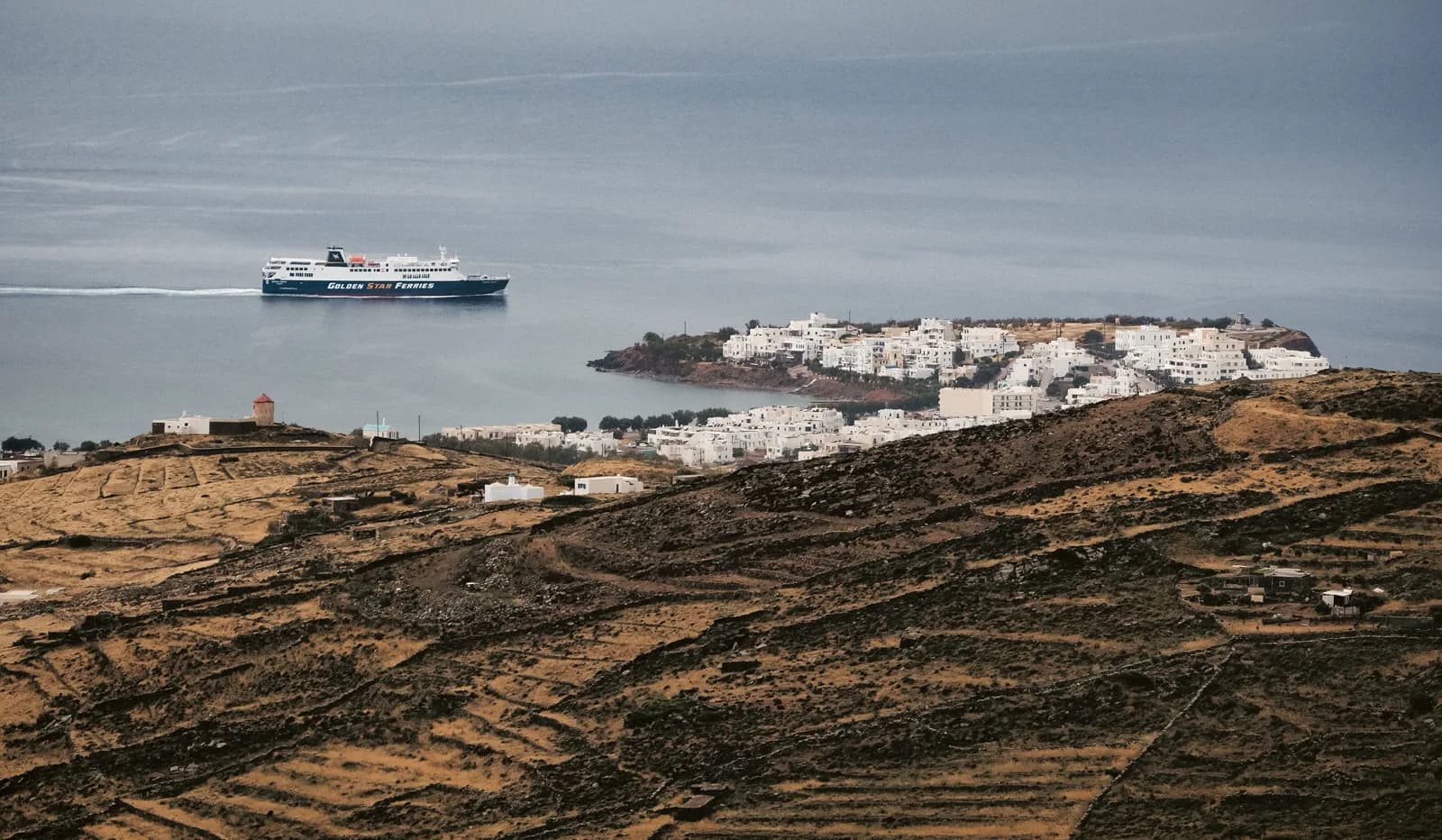
Corfu's airport receives numerous direct flights from European cities, making it among the easiest Greek islands to reach. Ferries connect the island with mainland ports (Igoumenitsa, Patras) and with Italy (Brindisi, Bari, Ancona, Venice). For those touring Greece, Corfu combines naturally with the Ionian islands of Paxos, Lefkada, and Kefalonia.9
A car provides essential flexibility for exploring beyond Corfu Town and the immediate coast. The island's roads, while winding in places, are generally well-maintained. Buses connect the major settlements but run infrequently to smaller villages. In Corfu Town itself, walking works best; the old town is largely pedestrianized and parking difficult.
Accommodation spans the full range from package-tour hotels to luxurious converted estates. Staying in Corfu Town offers proximity to cultural attractions and restaurants, though beaches require transport. The coastal resorts provide beach access but limited evening entertainment. Several exceptional properties occupy converted Venetian mansions or British-era buildings, offering atmospheric lodging unavailable elsewhere.
The Best of Both Worlds
Corfu's unique position—geographically, historically, culturally—creates an island unlike any other in Greece. Here you find Greek warmth filtered through Italian elegance, Mediterranean ease refined by European sophistication. The beaches satisfy sun-seekers; the culture rewards those seeking something deeper. The cuisine delights; the architecture astonishes.10
Perhaps most remarkably, Corfu maintains these qualities despite substantial tourism. The old town remains a living city, not a museum. The villages continue traditional practices. The cuisine evolves while respecting heritage. The island has absorbed visitors for centuries—from aristocratic Grand Tourists to modern package holidaymakers—without losing its essential character.
For travelers seeking more than beaches, Corfu offers a Greece enriched by Italian inheritance, a Mediterranean island touched by continental culture, a holiday destination with genuine depth. The Venetians who built the fortresses and planted the olives would recognize the island they shaped; the Corfiot spirit they fostered persists in the lanes and piazzas they laid out centuries ago. Venice may have fallen, but its legacy in Corfu endures.
References
- Corfu: A Venetian Island in Greece — Discover Greece
- Venetian Rule in Corfu — Britannica
- Corfu Old Town: UNESCO World Heritage — UNESCO
- Olive Cultivation in Corfu — Olive Oil Times
- Beaches of Corfu — Greeka
- Corfiot Cuisine — Lonely Planet
- Musical Traditions of Corfu — Visit Greece
- Mount Pantokrator and Interior Villages — Corfu Guide
- Getting to Corfu — Corfu Airport
- Corfu: Cultural Heritage — Corfu History