Almost every planning conversation I have starts the same way. Someone emails me a rough itinerary, maybe a photo they saved from Santorini, and then asks, gently, as if it's an awkward question: "What does something like this actually cost?" It isn't awkward. It's the right question, and it deserves an honest answer rather than a marketing number. After three decades of building trips to Greece for people at every budget level, I can tell you the real range, and more importantly, where within that range your money buys something and where it just evaporates.1
I'm going to give you actual euro figures here, for a couple, for ten days, because vague reassurance isn't useful when you're staring at a spreadsheet. Treat every number as a range, not a promise. Greece's prices move with the season, the year, and frankly with how good your planning is. That last part is the whole point of this piece.
The Three Tiers, and What Actually Separates Them
I think of Greece trips in three tiers, and the difference between them isn't really about luxury in the abstract. It's about how much friction you're willing to tolerate and how much local knowledge is baked into your plan.
Comfortable runs roughly 3,500 to 5,500 euros for two people over ten days, not counting international flights. This gets you well-run three and four star hotels in good locations (this matters more than the star rating), ferries booked in the right class at the right time, a handful of guided experiences, and dinners at real tavernas rather than the cheapest room-service option. This is not a budget trip in the backpacker sense, but it is a trip where every euro has to justify itself.
Premium runs roughly 6,000 to 10,000 euros for the same ten days. Here you're staying in four and five star properties with actual sea views rather than "partial sea view" (a phrase I have learned to distrust completely), you're using private transfers instead of ferry-terminal taxi queues, you have a driver-guide for at least one full day per region, and your restaurant choices aren't dictated by whichever place has an English menu taped to the window.
Luxury starts around 12,000 euros and has no real ceiling. I've built trips at double and triple that. At this level you're talking about villas with private pools, a boat charter with a skipper who actually knows which cove is good on which day depending on the wind, and access, which is the real currency at this tier: the table at the restaurant that doesn't take walk-ins, the winery visit that isn't on any list, the archaeological site opened an hour before the public.
Where the Money Is Well Spent
I've watched enough trips unfold, both the ones I've planned and the ones I've heard about afterward from friends who didn't use a planner, to know exactly where spending more pays off and where it doesn't.
A good guide, on the right day, is worth every euro. Standing in front of the Lion Gate at Mycenae with someone who can bring the Bronze Age back to life is a completely different experience than reading a placard. A private guide for a full day in Athens or at Delphi runs 250 to 400 euros for the group, not per person, and it consistently comes up as the best money spent when I ask clients afterward what they'd repeat.
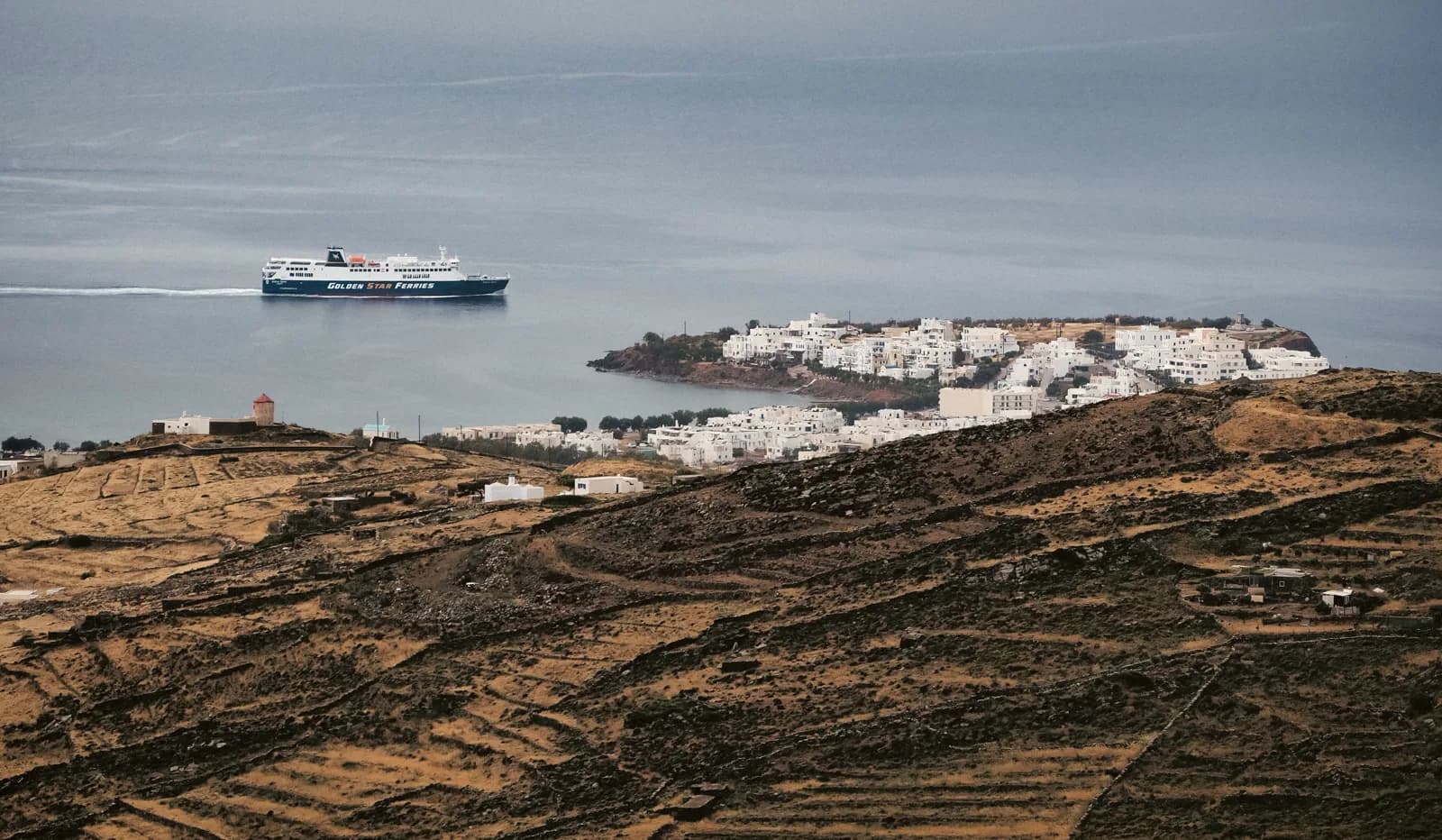
A boat day is never wasted money. Whether it's a half-day caique out of a small island port or a full-day skippered sail around Milos or the Ionian, this is the experience people replay in their minds for years. Budget 150 to 400 euros per person depending on the boat, the region, and whether lunch is included, and don't skip it to save money elsewhere.
Hotel location beats hotel category, almost every time. A well-located three star property in the right village will make your trip better than a five star resort stranded twenty minutes from anything on foot. I would rather put a client in a simple but perfectly positioned guesthouse in Oia's quiet end than a sprawling resort near the airport with a shuttle bus schedule dictating their evenings.
Where Money Gets Wasted
Santorini in the wrong season, at the wrong hotel. I've seen clients pay caldera-view premiums in August, fight crowds at every sunset viewpoint, and come away exhausted rather than enchanted. The caldera is genuinely worth paying for, but paying peak-August rates for it, when the crowds erase half the magic, is money spent for less experience, not more.
Taxi scams at ports and airports. Athens has a legal fixed fare structure from the airport, and unmetered "tourist rate" quotes at ferry ports are almost always inflated. This is a small leak individually, maybe 20 to 40 euros a time, but it happens repeatedly across a trip if nobody has arranged transfers in advance, and it adds an unnecessary layer of low-grade stress to arrivals that should feel easy.
Resort breakfast packages and all-inclusive add-ons. Greek hotel breakfasts are often lovely, but the packaged "half-board" dinner add-ons at resort properties are rarely worth it. You are paying resort prices for food that is a fraction as good as the taverna two streets away, and you're locking yourself into eating on-property instead of experiencing the town.
A Single Day, Priced Out Across the Tiers
Ranges over ten days are useful for planning a total budget, but they can feel abstract. So let me walk through a single ordinary day, the same day, at each tier, because that's usually where the differences become concrete.
At the comfortable tier, a day might look like this: breakfast included at the hotel, a self-guided morning at an archaeological site with an entry fee of 15 to 20 euros per person, a simple lunch of grilled fish or souvlaki for 15 to 25 euros per person, an afternoon at the beach or wandering a village, and dinner at a family-run taverna for 30 to 50 euros for two with wine. That's a full, satisfying day for well under 150 euros in discretionary spending.
At the premium tier, the same day adds a private guide for the morning site visit, a private transfer rather than a rental car or bus, and a lunch at a slightly more considered restaurant, one I've selected because the fish is exceptional rather than because it's the first one you passed. The dinner might be at a place that requires a reservation made days in advance, something I handle directly. That day runs closer to 300 to 450 euros in discretionary spending for two.
At the luxury tier, the day might begin with a private boat pickup rather than a car, include a guide who has personal relationships with the site's archaeological staff and can arrange early access before opening, a lunch prepared specifically for the group at a working olive farm or vineyard, and a dinner at a restaurant where the table has been held specifically for the client regardless of how full the place looks. That day can run 700 euros or more, but it also produces the single memory most clients describe first when I ask, months later, what they remember most.
The Costs Nobody Budgets For
Beyond hotels, ferries, and meals, there's a category of smaller costs that rarely make it into a first-draft budget but add up quickly across ten days.
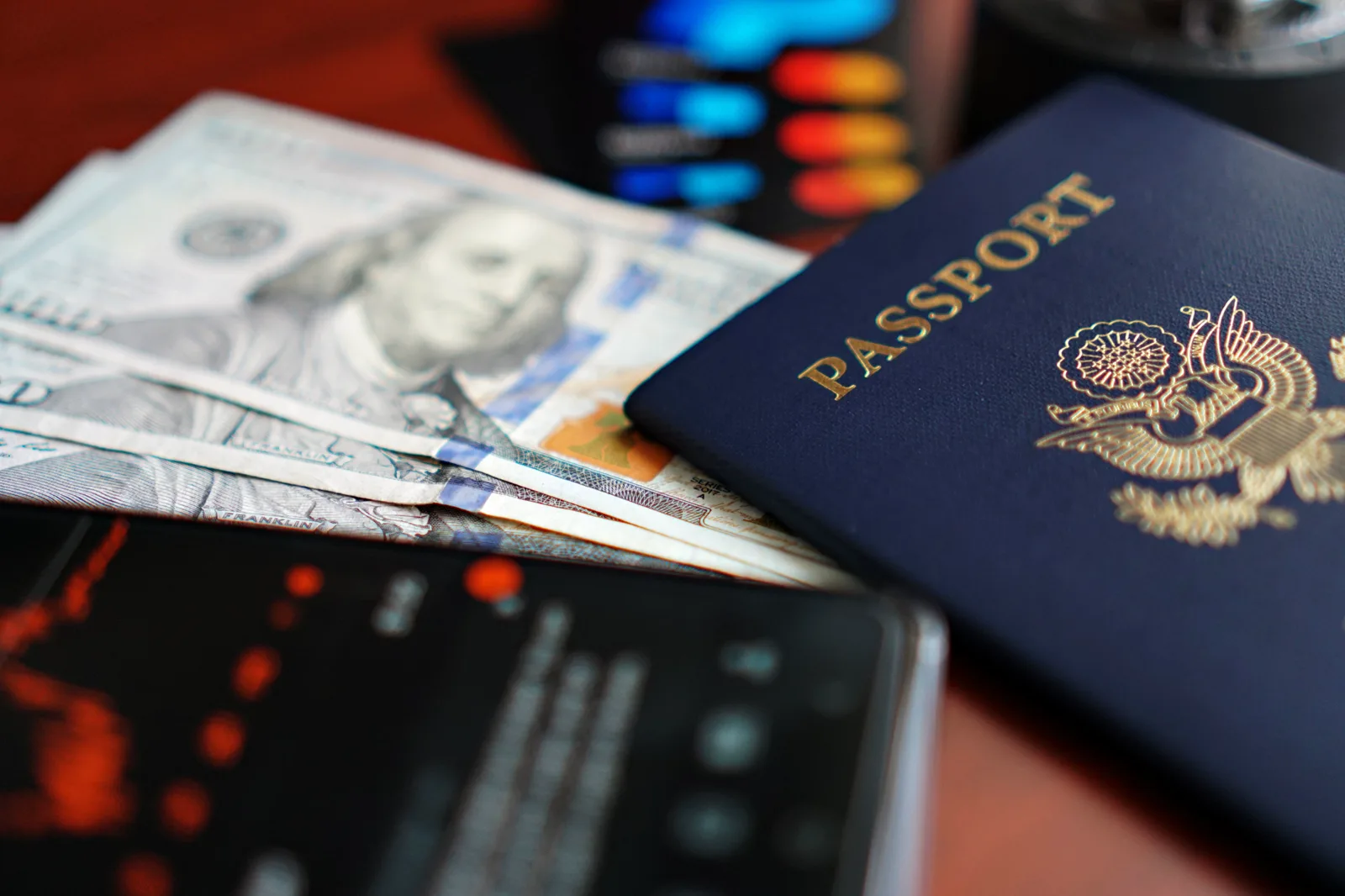
Travel insurance is not optional in my view, particularly for trips involving multiple ferry connections or activities like sailing, and it typically runs 50 to 150 euros per person depending on coverage and trip cost. Local SIM cards or data plans are inexpensive, usually 10 to 20 euros for ample data, but worth arranging on arrival rather than relying on expensive international roaming. Port taxes and cruise-terminal fees are usually baked into ferry tickets already, but car ferries and vehicle transport carry their own separate charges that catch people off guard. And museum and site bundle passes, particularly the combined ticket covering the Acropolis and several other Athens sites, are genuinely good value if you plan to see more than two or three sites, but only if someone remembers to buy them rather than paying full individual price at each gate.3
None of these costs individually will break a budget. Together, unbudgeted, they can add several hundred euros of surprise to a trip that otherwise looked carefully planned on paper.
Ferries, Flights, and Car Hire: The Real Numbers
Inter-island ferries vary enormously depending on route, season, and whether you book a high-speed catamaran or a slower conventional ferry. A Piraeus to Santorini high-speed ferry runs roughly 60 to 100 euros per person one way in high season; the same route on a slower boat can be half that. Book these directly or through a reliable aggregator once your itinerary is set, because summer routes, especially the popular Cyclades connections, sell out.2
Domestic flights within Greece, particularly Athens to Crete or Athens to the Dodecanese, often cost less than the equivalent ferry when you factor in time, especially if your schedule is tight. A one-way domestic flight can run anywhere from 50 to 150 euros depending on how far ahead you book and which airline. I frequently mix ferries and short flights within a single itinerary specifically to protect a client's limited days from being eaten by transit.
Car hire in Greece is inexpensive on paper, often 35 to 60 euros a day for a small automatic, but the real cost is in the insurance excess and in choosing the wrong island for a car in the first place. On islands with genuinely rural exploring, like Crete or the Peloponnese, a car is essential. On compact islands with good local transport and where narrow, one-lane village streets make driving more stressful than useful, a car is often money and nerves spent for nothing.
How Greeks Think About Value
One thing that surprises visitors, and something my Greek family has taught me over three decades, is that Greeks are not a culture of conspicuous spending, even in wealthy circles. Value here is measured in freshness, in relationships, in whether the fisherman knows you by name, not in the sticker price of the table. A taverna owner will often steer you away from the most expensive fish on the menu if a cheaper one came in that morning and the expensive one didn't. That instinct, prioritizing what's actually good over what costs the most, is the single best lesson to bring into your own Greece budget.
This is really the heart of an honest cost breakdown: the number on your final invoice matters far less than whether each euro of it bought you something real, a boat day you'll remember, a meal that surprised you, a room with a view you actually used. Greece rewards spending with intention and punishes spending without it, sometimes in the same afternoon.
Putting a Number to Your Own Trip
Every one of these ranges assumes ten days for two people and excludes international airfare, which varies too much by origin city and season to generalize usefully. If you want to see what an actual itinerary at each tier looks like in practice, with real hotels, real routes, and real per-day breakdowns, I keep a rotating set of sample trips that reflect exactly the kind of planning described here. And if you have a budget number in mind already and want to know honestly whether it's realistic for what you're picturing, that's precisely the kind of question I answer directly on my FAQ page, because I would rather tell you the truth before you book than after.
If you'd like help turning a rough budget into an actual itinerary, one built around where your money will do the most good rather than where a brochure says it should go, I'd love to talk. Reach out about custom trip planning, or simply get in touch and tell me what you're imagining.
References
- Plan Your Trip to Greece — Visit Greece
- Greek Ferry Routes and Schedules — Ferryhopper
- Archaeological Sites and Museum Tickets — Hellenic Ministry of Culture
- Athens International Airport — Athens International Airport