The question I get asked more than any other, usually in the first email a prospective guest sends me, is some version of: "When's the best time to visit Greece?" After three decades here, I can tell you the honest answer is that there isn't one best time—there's a best time for what you want, and it comes with real trade-offs in heat, crowds, prices, and what's actually open. Anyone who tells you May and September are simply "the answer" is giving you half the picture. Let me walk through the year as I actually experience it living here, not as a brochure describes it.
What I mean by trade-offs is worth spelling out plainly, because it's the actual decision every guest is making, whether they realize it or not. Warmer sea temperatures generally track with bigger crowds and higher prices; quieter, cheaper travel generally means a cooler sea and a shorter list of open restaurants on the smaller islands. There's no month that gives you everything at once, and once you accept that, choosing your window gets much easier.
Spring: April, May, and Early June
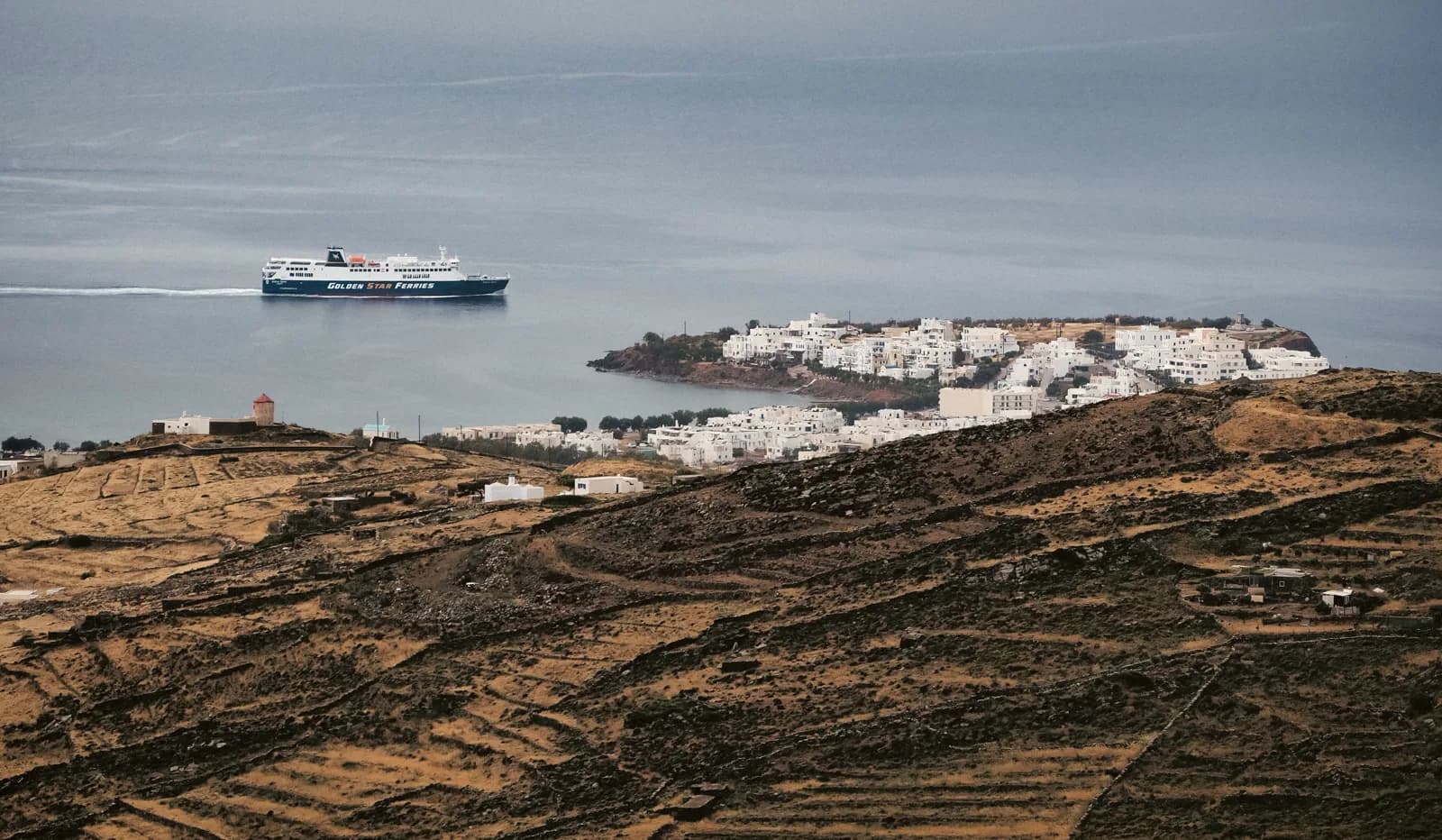
This is the season I steer most first-time guests toward, and for good reason. By mid-April the winter rain has mostly stopped, wildflowers are covering the hillsides, and the sea is warming but hasn't yet reached swimming temperature in most places—expect the water to still feel bracing through April and into May. Athens is genuinely lovely: comfortable for walking all day, the Acropolis without the summer crush, outdoor tables filling back up after winter. By late May the sea is swimmable for most people, island ferries are running closer to a full summer schedule, and the crowds are still a fraction of what August brings. Locals treat this as the good stretch too—it's when Greek families take their own short breaks before the summer rush and school holidays arrive.1
The trade-off is that some island infrastructure is still waking up in April—smaller family-run tavernas and boutique hotels sometimes don't open until late April or May, and a handful of the smaller islands run a reduced ferry schedule until early summer. I always tell guests planning an April trip to check specific opening dates for anywhere they're set on, rather than assuming everything runs year-round.
There's also a meaningful difference between early and late spring worth flagging. April in Athens and the Peloponnese is genuinely beautiful and worth booking on its own merits even without swimming, since the countryside is at its greenest and the archaeological sites are at their most photogenic. But if swimming is a priority for your trip, I steer guests toward late May or June instead, when the sea has had enough weeks of sun to actually be pleasant rather than merely tolerable.
Summer: July, and the Truth About August
July is genuinely wonderful if you can handle real heat—reliably in the low-to-mid 30s Celsius inland, cooled somewhat on the islands by the meltemi wind that picks up through the Cyclades most summer afternoons. The sea is at its warmest, the light is spectacular, and everything is open and running at full capacity.
August is a different animal, and I say this as someone who lives through it every year. For much of August, Athens itself half-empties out—many Athenians close up shop and head to family villages or islands for their own holidays, so you'll find some neighborhood tavernas shuttered for two or three weeks even as the tourist sites stay packed. The popular islands, meanwhile, are at their absolute peak: Santorini and Mykonos in mid-August are crowded, expensive, and hot in a way that can genuinely wear a trip down, especially for anyone not used to Mediterranean summer heat. August 15th, the Feast of the Dormition, is one of the biggest holidays on the Greek calendar and much of the country travels that week specifically, which means ferries and flights get booked out well in advance. If August is your only option, I'll still build you a wonderful trip—but I'll steer you toward islands with better infrastructure for the crowds, make sure accommodation is booked months ahead, and build in shaded, slower afternoons rather than a packed sightseeing schedule.
I should say, too, that August has real charms that get overlooked in all the warnings about crowds. This is when village festivals (panigyria) are at their most frequent, when the grape harvest is beginning in wine regions, and when the sheer energy of the place—every taverna full, every beach busy, every evening warm enough for a late swim—has its own appeal if you come prepared for it rather than fighting it.
Autumn: September and October
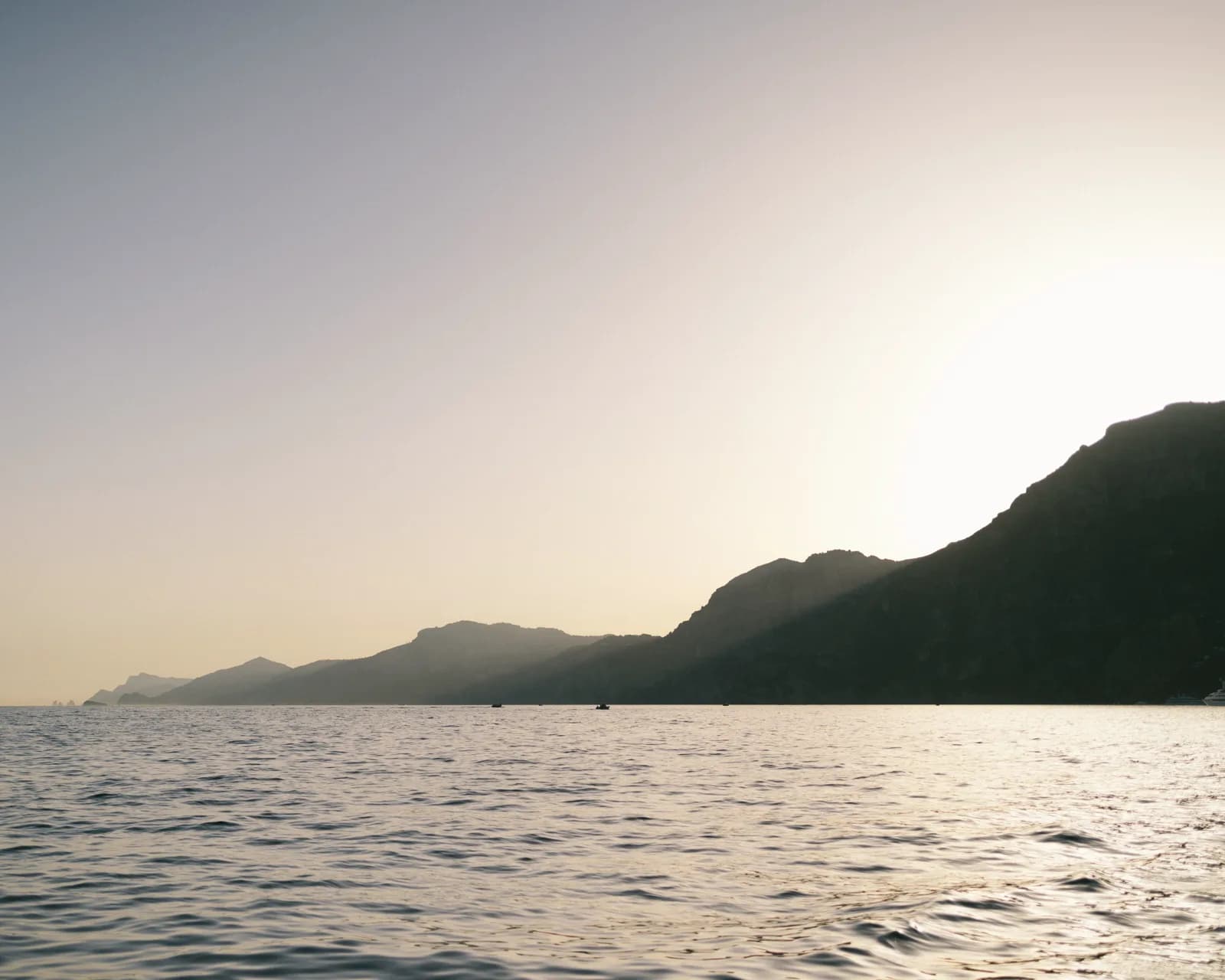
This is the other shoulder season, and in many ways I love it even more than spring. The sea has spent all summer warming up, so September and well into October the water is at its most pleasant for swimming—genuinely warmer than June in most places. The August crowds have thinned considerably by mid-September, restaurant tables are easier to get, and the light takes on that long, golden late-summer quality that photographs beautifully. Island life relaxes a little without losing its energy entirely. By late October, some smaller island hotels and restaurants begin closing for the season, so if you're set on a specific smaller island, check closing dates the same way you'd check spring opening dates.
Winter: The Greece Most Visitors Never See
Winter is not a season I'd recommend for a beach trip, but it's genuinely one of my favorite times to be in Athens, and I say that as someone who could visit any month I choose. The city in December and January is quiet, the Acropolis is nearly empty on a clear morning, museums are uncrowded, and Athenians are simply living their normal lives rather than working around tourist season. Christmas and New Year bring their own charm—lights strung through Syntagma Square, name-day celebrations, family gatherings that a guest who's spent real time here might be lucky enough to witness.
Meteora is another winter surprise. The monasteries perched on those extraordinary rock pillars are open year-round, and I actually prefer visiting in the cooler months: the crowds that pack the viewing platforms in July thin out almost entirely, and the rock formations often wear a cap of morning mist that makes the whole scene feel otherworldly.3 Winter does mean shorter daylight hours and colder temperatures in the mountains, so pack accordingly, but it's absolutely not a destination you need to save for summer.
What winter is not good for: most islands. Ferry schedules drop to a skeleton service to the smaller islands,2 many hotels and restaurants close entirely from November through March, and the sea is far too cold for swimming. If a winter trip is what you're planning, I'll build it around Athens, Meteora, and possibly Thessaloniki or the larger islands like Crete, which stay more functional year-round, rather than trying to force a Cycladic island visit into the off-season.
Winter also happens to be the cheapest time to visit by a wide margin—flights and hotel rates in Athens can drop significantly compared to summer, and the handful of guests I've sent here in January have consistently come back saying the city felt more genuinely theirs, without the sense of sharing every view with a busload of other visitors.
Festivals Worth Planning a Trip Around
Some of the best trips I've built weren't timed around weather at all, but around a Greek festival. Apokries, Greece's carnival season, unfolds over the weeks before Orthodox Lent, usually in February or early March depending on the year, and brings costumed parades and genuine local celebration to towns across the country—Patra's carnival in particular is one of the largest in Europe. If your trip lands in late October, Oxi Day on October 28th is worth building around too: parades, flag-raising ceremonies, and a national mood of pride that's genuinely moving to witness in person, especially in Athens or Thessaloniki. Easter, timed to the Orthodox calendar and often falling on a different date than Western Easter, is perhaps the single most powerful festival to experience here—candlelit midnight services, village lamb roasts, and a sense of community that no ordinary sightseeing day can match.
What Prices Actually Do Across the Year
Since I'm asked this almost as often as the timing question itself: flights and accommodation follow the crowds closely, and the swing is larger than most first-time visitors expect. A hotel room on a popular island that costs a certain rate in June can run meaningfully higher for the same room in the first two weeks of August, then drop back down by late September. Athens is more stable year-round since it's a working capital city rather than a purely seasonal destination, but even there, hotel rates soften noticeably in winter. If budget is a real constraint, shoulder season isn't just more pleasant weather-wise, it's the more sensible financial choice too, and it's usually where I steer guests who are weighing a longer trip against a fixed budget.
So, When Should You Actually Go?
If I had to boil three decades of this down to one piece of advice: choose late May through mid-June, or mid-September through mid-October, unless you have a specific reason not to. Those windows give you warm, swimmable seas, manageable crowds, full restaurant and ferry schedules, and prices well below August's peak. Choose July if you want maximum heat and don't mind higher prices and busier islands. Choose winter if your trip is about Athens, history, and a slower cultural experience rather than beaches. And if August is genuinely your only window, come anyway—just let me help you build a trip that accounts for the crowds and the heat rather than fighting them.
I get a version of this same question in almost every planning conversation I have, along with a dozen others about logistics, regions, and pacing—enough that I keep an updated frequently asked questions page addressing the ones that come up most often.
There's no wrong month to fall in love with Greece, but there is a right month for the specific trip you're picturing, and that's really the whole point of planning properly rather than picking dates off a generic "best time to visit" list. Every guest I work with has different priorities—swimming versus sightseeing, budget versus peak-season splurge, crowds versus solitude—and matching those priorities to the calendar is half the work of building a trip that actually delivers what you came for.
If you'd like help figuring out exactly when to go based on what you actually want from the trip, that's the conversation I have with every guest before we plan a single day. I offer custom trip planning built around your priorities and the calendar, not a generic seasonal template. Get in touch and let's find your window.
References
- Visit Greece: Official Tourism Portal — Greek National Tourism Organisation
- Ferryhopper: Greek Ferry Schedules and Routes — Ferryhopper
- Hellenic Ministry of Culture and Sports — Hellenic Ministry of Culture and Sports