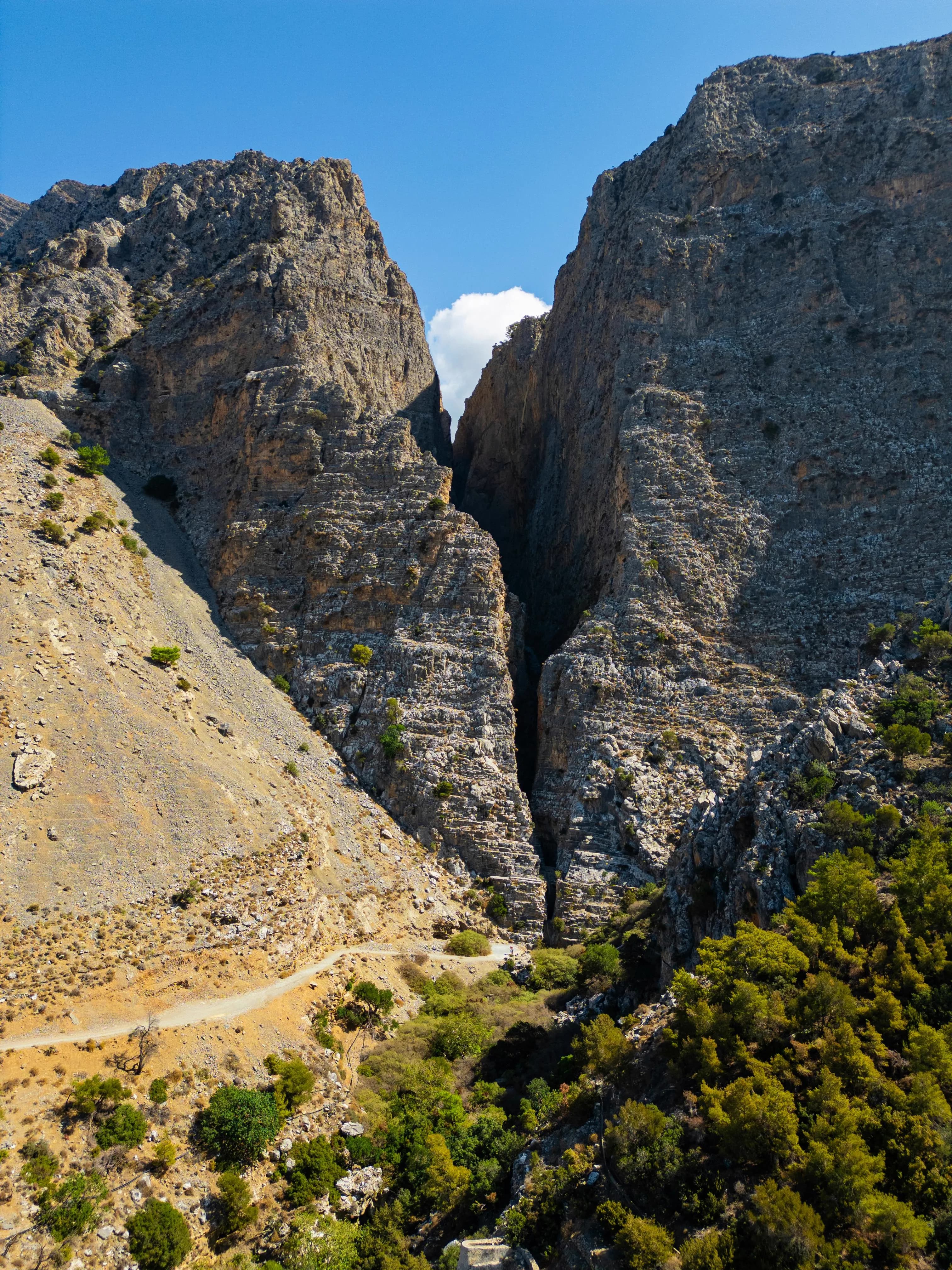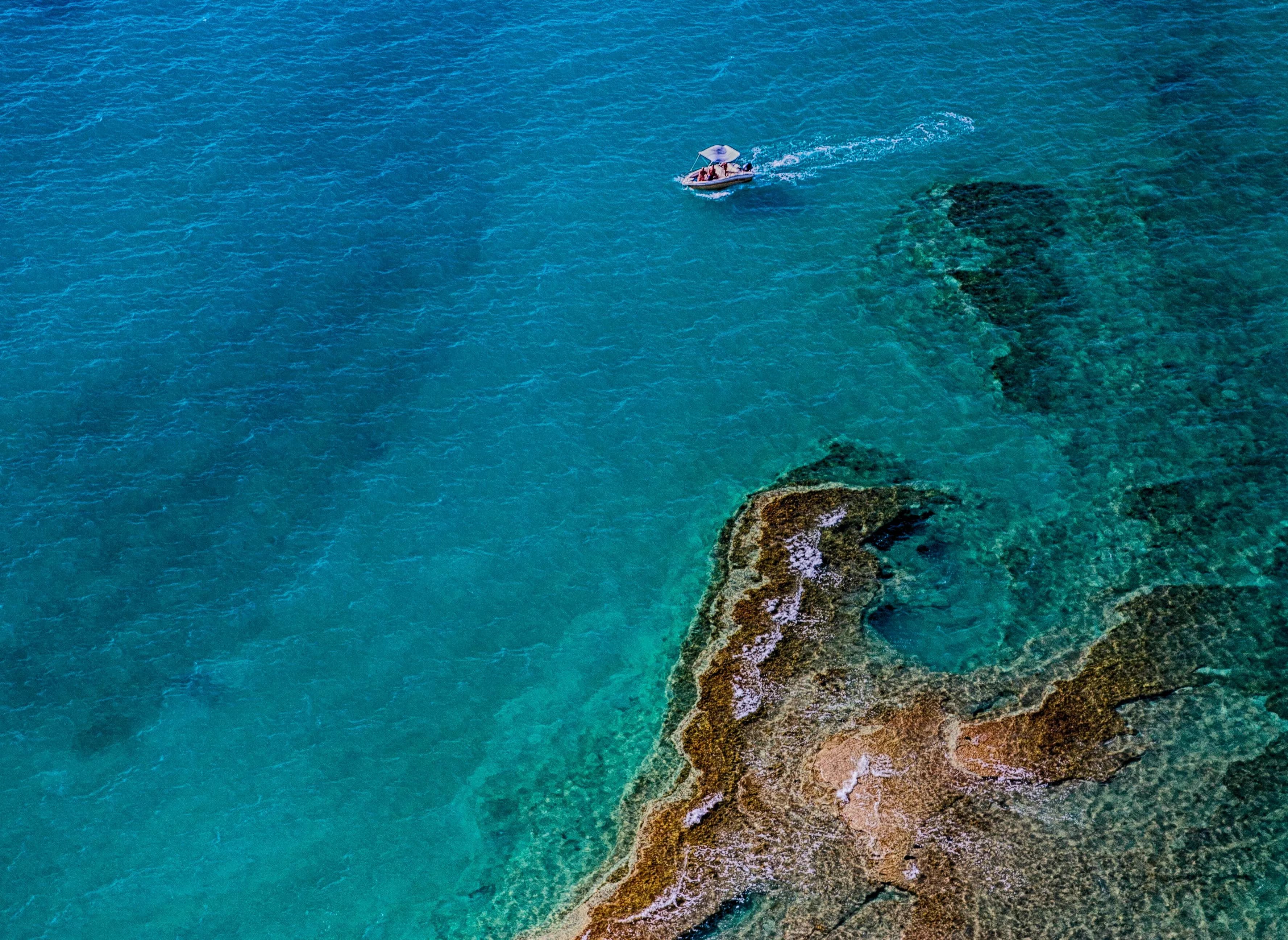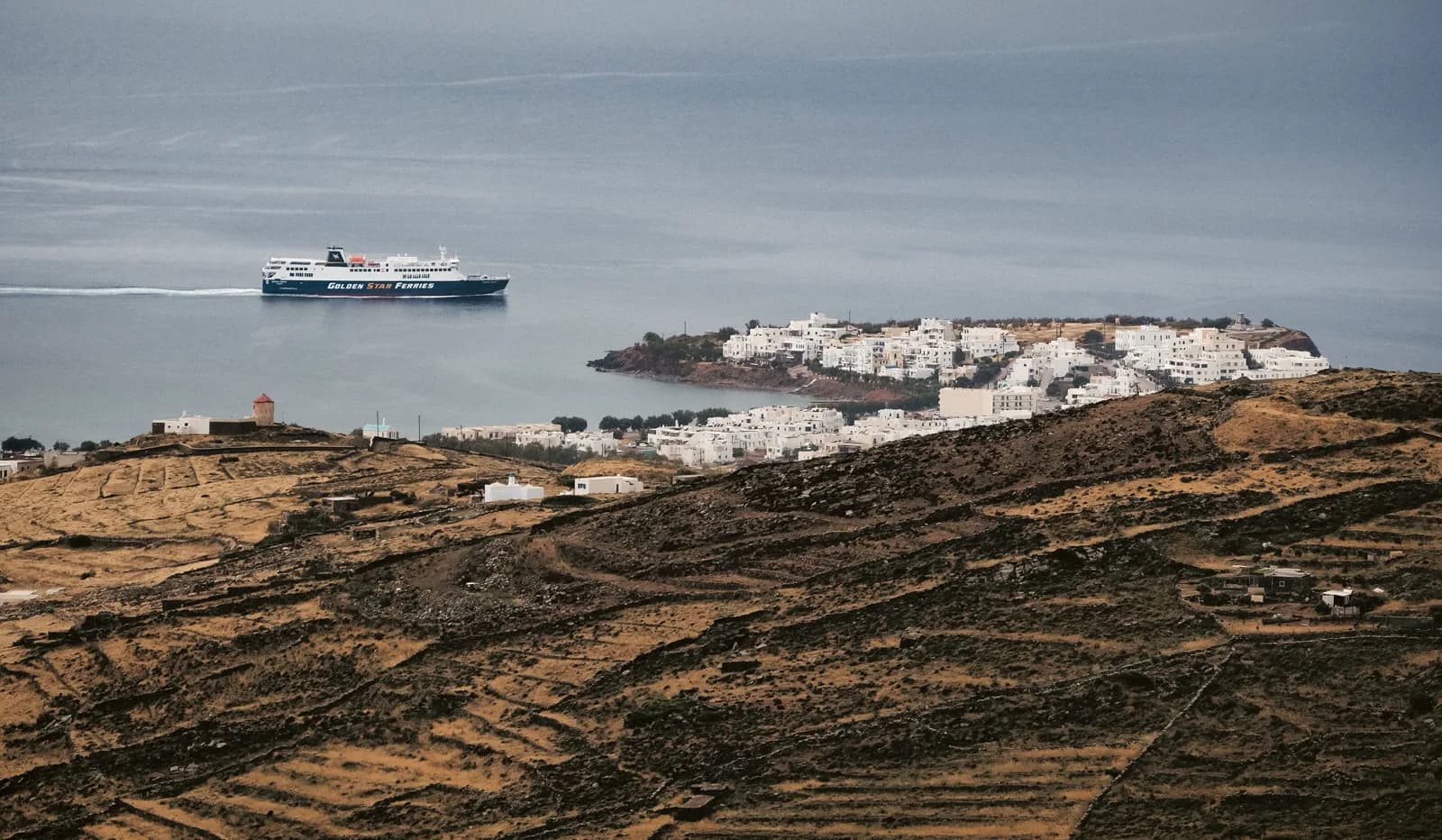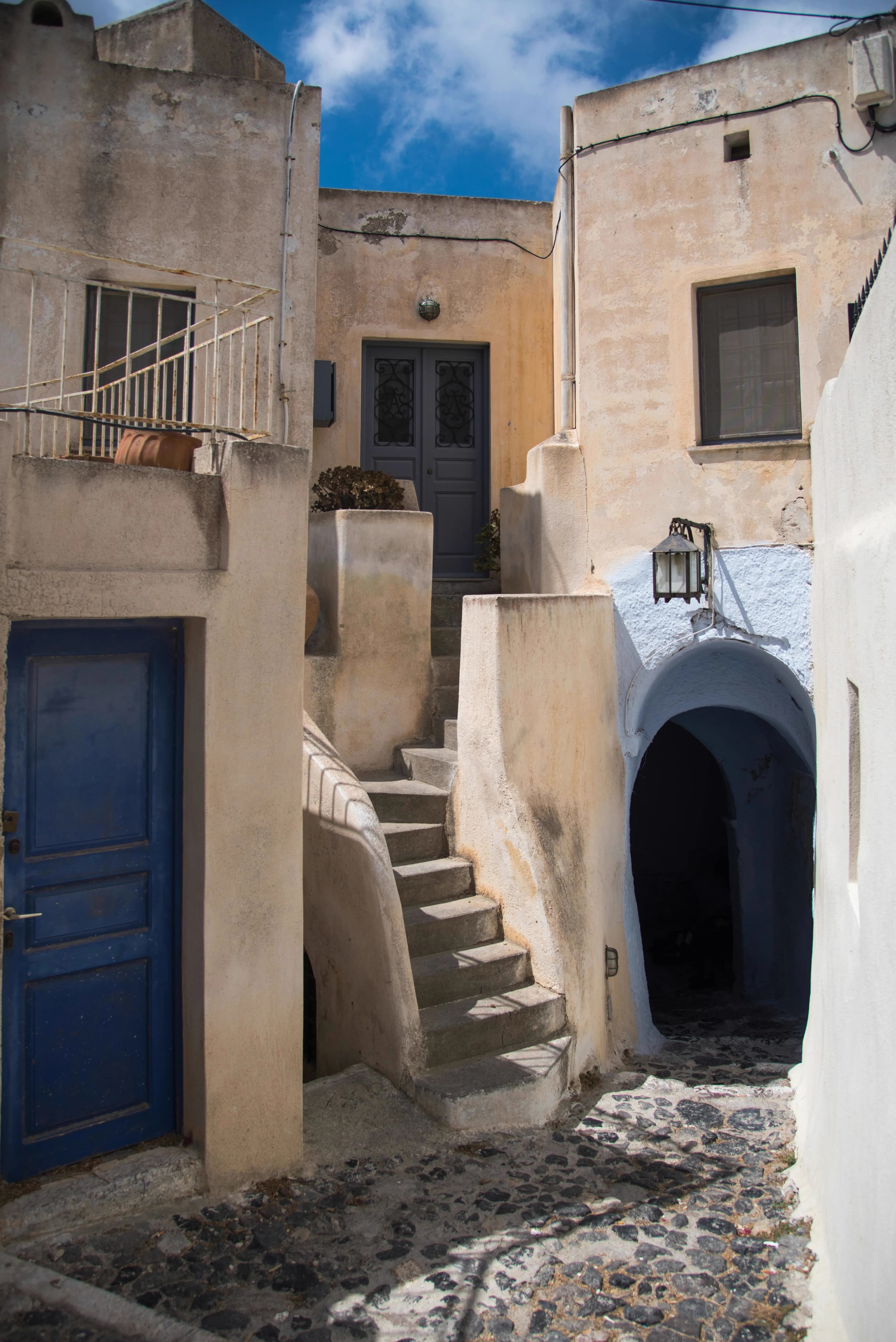
No Greek island carries more weight of expectation than Santorini. The images are inescapable: whitewashed villages tumbling down volcanic cliffs, blue-domed churches silhouetted against impossible sunsets, infinity pools floating above the caldera. These images are accurate—the caldera rim delivers every photogenic promise—but they represent only a fragment of what Santorini offers. After decades of bringing travelers to this remarkable island, I've learned that its greatest rewards often lie away from the famous viewpoints, in places where cruise ship crowds never venture.1
Understanding the Volcanic Landscape
Santorini's dramatic topography results from one of history's most cataclysmic volcanic eruptions. Around 1600 BCE, the volcano that once stood here exploded with a force estimated at several times that of Krakatoa, collapsing the island's center and creating the flooded caldera we see today. The Minoan civilization on nearby Crete may have been fatally weakened by the resulting tsunami; the eruption likely inspired the Atlantis legend.2
What remains is a crescent of land curving around a vast water-filled crater, with two smaller volcanic islands (the Kameni) still steaming in the center. The western cliffs plunge 300 meters directly into the caldera—these are the famous views—while the eastern shore slopes gradually to the sea, hosting most of the island's beaches and agricultural land.
This geology shapes every aspect of Santorini's character. The volcanic soil, rich in minerals but poor in organic matter, produces grapes and tomatoes of exceptional intensity. The lack of reliable water sources forced traditional architecture to develop ingenious cistern systems. The caldera's orientation creates sunsets of legendary beauty while sheltering the eastern coast from prevailing winds.
The Villages Most Visitors Miss
While Oia and Fira absorb the majority of visitors, Santorini's inland villages preserve traditional character increasingly rare on the caldera rim. These settlements, many predating the island's tourist development by centuries, offer architecture, atmosphere, and authenticity that the famous towns have partly sacrificed to tourism.3
Pyrgos, the island's highest village, crowns a hill in Santorini's center. The medieval kasteli (fortified settlement) at its summit represents one of the best-preserved examples of Cycladic defensive architecture. The narrow lanes spiral upward through whitewashed houses, occasionally opening to reveal sweeping views across the island to the sea. Several excellent tavernas occupy traditional buildings; the sunset views from the hilltop rival Oia's without the crowds.
Megalochori, in the southwestern interior, maintains a quiet residential character. The central square, shaded by trees and anchored by a church, sees more locals than tourists. The village preserves several of Santorini's finest traditional canava (wine cellars), some now operating as wineries offering tastings in atmospheric underground spaces. The surrounding countryside, planted with the island's distinctive low-trained vines, makes for excellent walking.
Emporio, one of the largest traditional settlements, developed around another medieval kasteli. The fortified core, accessed through a narrow gateway, creates a maze of passages and tunnels designed to confuse invaders. Modern Emporio spreads around this ancient center, its squares hosting traditional cafes where local men gather over coffee and cards. A dramatic church dominates the village's highest point.
Wine Country
Santorini produces some of Greece's most distinctive wines, their character shaped by the volcanic soil, minimal rainfall, and traditional cultivation methods found nowhere else. The island's vineyards, mostly planted with indigenous varieties, create a landscape as visually striking as it is agriculturally significant.4
The distinctive Santorini vineyard requires explanation. The vines are trained in a circular basket shape (kouloura), with the grapes nestled inside for protection from wind and sun. This method, unique to the island, allows cultivation without irrigation in a climate receiving less than 400 millimeters of annual rainfall. The gnarled, ancient vines—some over 200 years old—produce small yields of intensely flavored grapes.
Assyrtiko, the island's signature white grape, produces wines of remarkable acidity and mineral character, perfectly suited to the seafood that dominates Santorini's cuisine. Nykteri, a barrel-aged white made from assyrtiko, shows aging potential unusual for Greek whites. Vinsanto, the traditional sweet wine made from sun-dried grapes, provides a fitting conclusion to Santorini meals.
Several excellent wineries welcome visitors for tours and tastings. Santo Wines and Venetsanos offer caldera views from their terraces; Gaia and Hatzidakis provide more intimate, education-focused experiences. Visiting during harvest (August-September) adds the excitement of winemaking activity to the experience.
Ancient Akrotiri: Pompeii of the Aegean
The archaeological site of Akrotiri, near the island's southern tip, preserves a Minoan settlement buried by the catastrophic eruption around 1600 BCE. Unlike Pompeii, which was destroyed suddenly, Akrotiri's inhabitants apparently evacuated before the worst—no human remains have been found—but they left behind a remarkably complete Bronze Age town now protected under a modern bioclimatic roof.5
Walking the excavated streets, you pass multi-story buildings that once housed sophisticated urban residents. The famous frescoes removed to Athens' National Archaeological Museum came from these walls; reproductions in the site give a sense of the originals' sophistication. Drainage systems, storage facilities, and workshop areas reveal an advanced civilization at its height.
The site's ongoing excavation means new discoveries continue. Only a portion of the ancient city has been uncovered; archaeologists estimate the settlement may extend significantly beyond current boundaries. A visit to the Museum of Prehistoric Thera in Fira, which displays finds from Akrotiri and other Santorini sites, complements the archaeological experience.
The Eastern Beaches
While the caldera cliffs preclude swimming on the west coast, Santorini's eastern shore offers beaches of remarkable variety—if not the white sand of other Cycladic islands. The volcanic geology creates beaches of black, red, and white sand and pebble, each with its own character.6
Perissa and Perivolos, stretching along the southeastern coast, constitute Santorini's longest beach—several kilometers of black volcanic sand backed by the dramatic Mesa Vouno headland. The beach has developed with hotels, restaurants, and water sports facilities while maintaining Greek rather than international character. The ancient site of Thera crowns the mountain behind; a footpath or road provides access to the ruins.
Kamari, similar to Perissa but more developed, lies on the headland's northern side. The pedestrianized waterfront, lined with tavernas and shops, provides evening entertainment. A cable car connection to Ancient Thera adds interest beyond beach time.
Red Beach, near Akrotiri, earns its name from the dramatic red cliffs that backdrop a small cove. Access involves a short but steep walk; the cliff's instability occasionally closes the beach. When accessible, the dramatic coloring creates one of Santorini's most photographed natural features.
Vlychada, on the south coast, offers something different: white cliffs eroded into otherworldly formations backing a gray sand beach. The area maintains a quieter character than the main beach strips; several excellent fish tavernas serve the day's catch at reasonable prices.
The Caldera Experience
Despite my emphasis on alternatives, no Santorini visit would be complete without experiencing the caldera—the volcanic feature that makes the island unique. The key lies in timing and approach: avoiding the cruise ship crush while finding perspectives the postcards don't capture.7
Fira, the island's capital, spreads along the caldera rim with views nearly as dramatic as Oia's. The town is larger, more Greek in character, and offers better value for dining and accommodation. The cable car connecting the cliff-side port with the town provides vertiginous caldera views during the brief ride; alternatively, you can walk the 588 steps or hire a donkey.
Oia deserves its fame, but experiencing it requires strategy. The famous sunset, watched by thousands crammed into the castle ruins, represents Santorini at its most crowded. Better to watch sunset from a restaurant terrace (reserve in advance) or from the quieter southern reaches of the village. Early morning, before day-trippers arrive from cruise ships, reveals Oia at its peaceful best.
The path between Fira and Oia—roughly 10 kilometers along the caldera rim—offers the finest views on the island. The hike takes 3-4 hours at a leisurely pace, passing through Imerovigli and Firostefani with countless photo opportunities. Start early to complete the walk before midday heat; arrange transport back or stay overnight in Oia.
Boat Trips and the Volcanic Islands
The caldera's flooded crater offers experiences impossible to achieve on land. Boat trips, ranging from large excursion vessels to private sailing charters, provide perspectives on the volcanic landscape that transform understanding of the island's formation.8
The Kameni islands, volcanic cones still growing in the caldera's center, constitute the volcano's most recent activity. Tours typically stop at Nea Kameni for a hike to the crater, where sulfurous steam still rises from vents. The landscape—barren black rock, yellow sulfur deposits, views across the caldera to the encircling cliffs—feels genuinely otherworldly.
The hot springs near Palea Kameni, where volcanic heat warms the sea, provide a unique swimming experience. The iron-rich water stains swimmers and swimwear orange, so bring a dark-colored suit you don't mind sacrificing. The temperature contrast between warm spring water and cool sea creates a memorable sensation.
Private catamaran cruises, increasingly popular, offer a more luxurious experience: swimming stops at various points around the caldera, lunch on board, watching sunset from the water. These cruises fill quickly in high season; book well in advance.
Practical Matters
Santorini receives direct flights from Athens and, seasonally, from numerous European cities. The small airport becomes extremely congested in summer; ferries from Piraeus (Athens) or other Cycladic islands provide alternatives. High-speed ferries cover the Athens route in about five hours; conventional ferries take roughly eight hours but offer more comfortable conditions.9
Transportation on the island presents challenges. Roads are narrow and winding; parking in Fira and Oia is nightmarish in season. Buses connect the main villages and beaches but run infrequently. Car rental provides flexibility for exploring the quieter areas but requires confidence on challenging roads. ATVs, popular with younger visitors, are responsible for numerous accidents annually.
Accommodation ranges from luxury caldera-view suites commanding astronomical rates to modest rooms in the inland villages at reasonable prices. Staying away from the caldera rim—in Pyrgos, Megalochori, or near the eastern beaches—reduces costs significantly while providing easier parking and a more authentic Greek atmosphere. Wherever you stay, book far in advance for summer visits.
Beyond the Instagram Moment
Santorini's challenge—and its opportunity—lies in seeing beyond the familiar images. The caldera views, the blue domes, the legendary sunsets: these genuinely merit experiencing, and no amount of prior exposure fully prepares you for their impact. But stopping there misses most of what the island offers.10
The volcanic landscape tells a story of cataclysm and renewal impossible to grasp from the caldera rim alone. The wines, produced by methods found nowhere else, express the terroir of this unique place. The archaeology connects visitors with a civilization destroyed by the same forces that created today's landscape. The villages, where daily life continues despite the tourist flood, remind us that Santorini remains a Greek island, not merely a backdrop for photographs.
Those who explore this secret side—who hike the vineyard paths, visit the lesser-known villages, swim the eastern beaches, and understand the geology that shaped everything—discover a Santorini richer than any image could suggest. The famous views remain, but they become part of a larger story: of volcanic creation and human adaptation, of ancient civilization and contemporary resilience. This is the Santorini worth finding, the secret hidden in plain sight.
References
- Santorini: Beyond the Postcards — Discover Greece
- The Minoan Eruption of Santorini — Britannica
- Traditional Villages of Santorini — Santorini.com
- Santorini Wine Culture — Wine Enthusiast
- Ancient Akrotiri — UNESCO Tentative List
- Beaches of Santorini — Greeka
- Experiencing the Caldera — Lonely Planet
- Volcanic Tours and Hot Springs — Santorini Volcano
- Getting to Santorini — GTP
- Sustainable Tourism in Santorini — Santorini Municipality