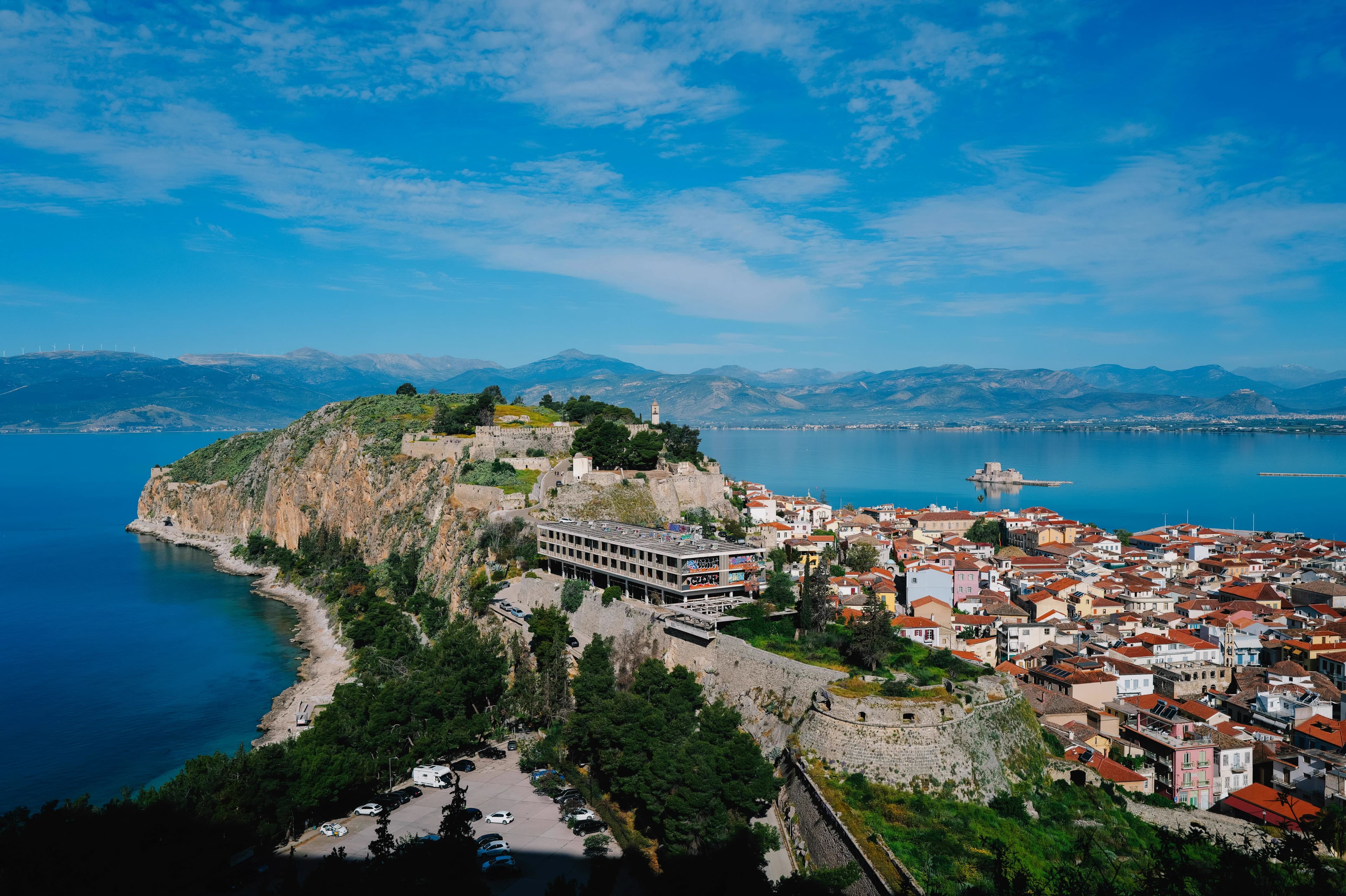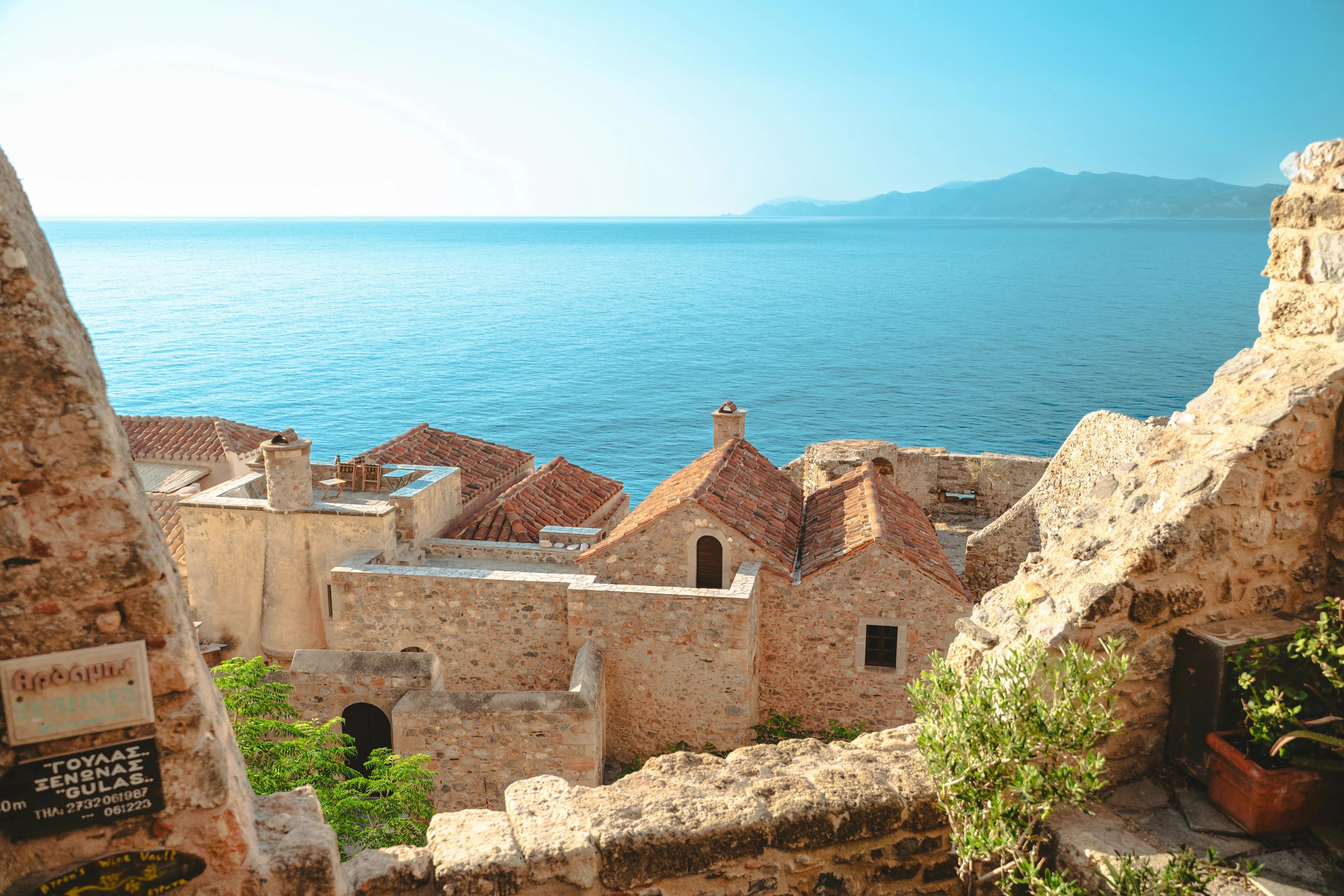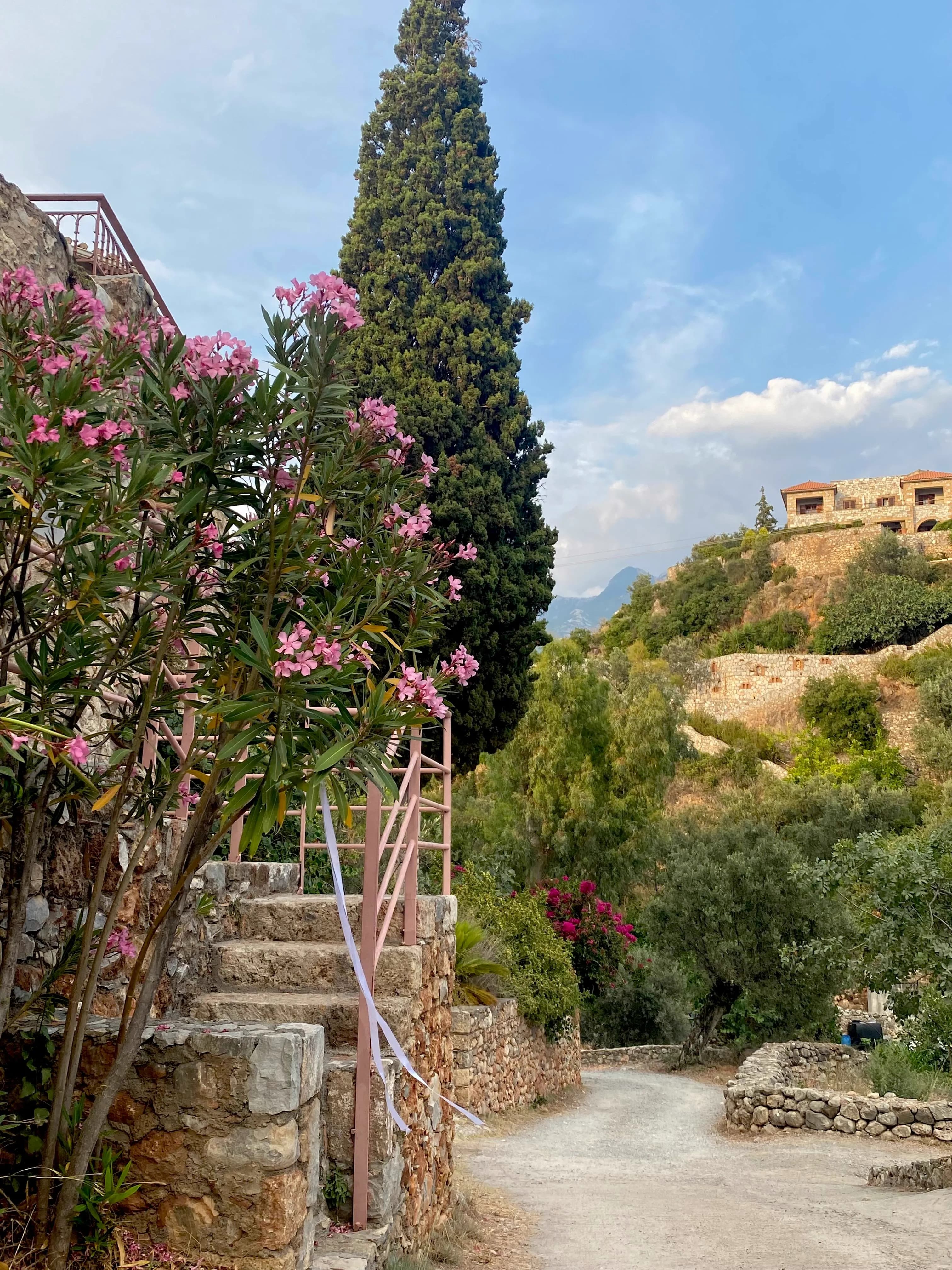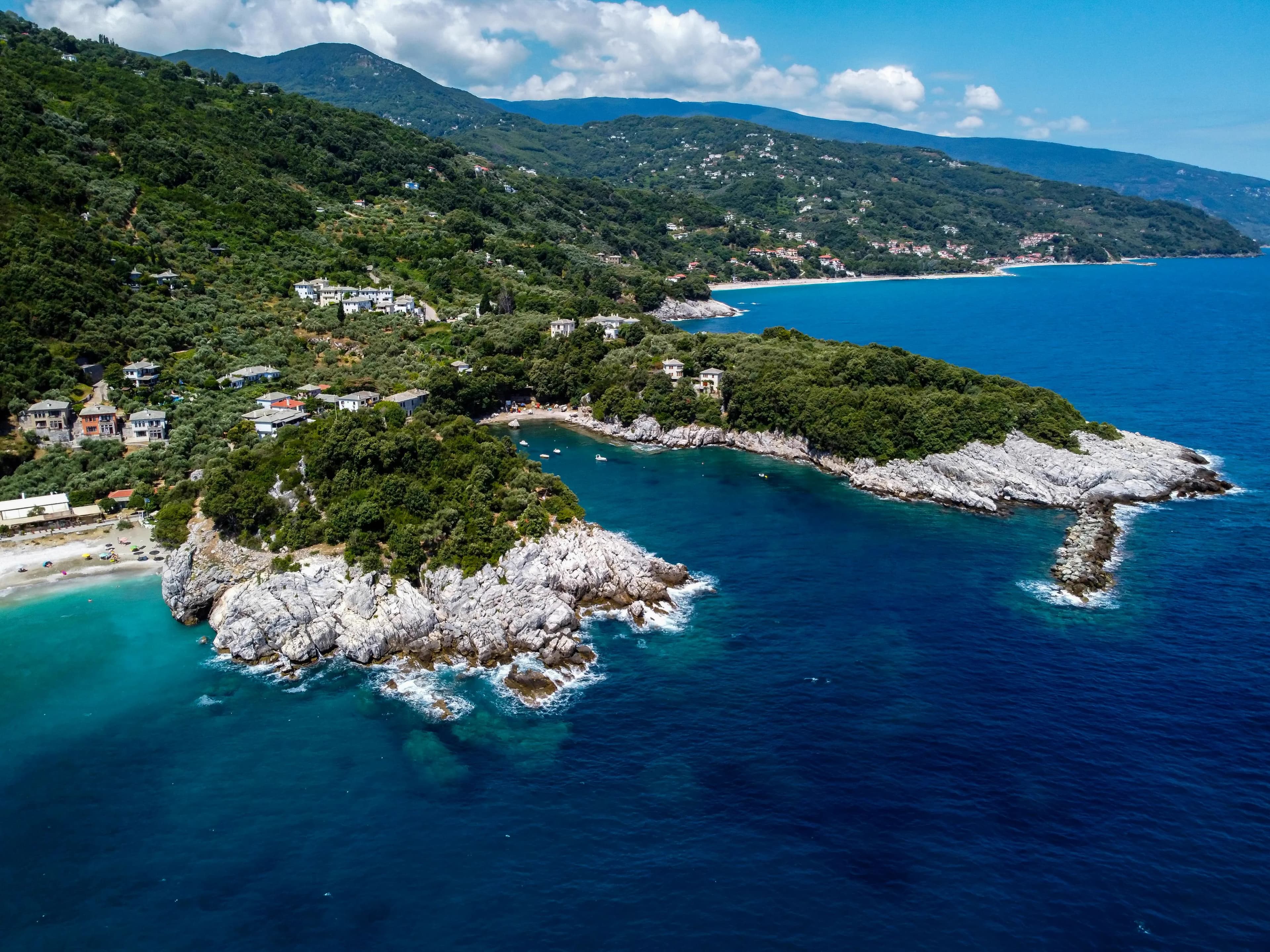
Greek mythology placed the centaurs on Mount Pelion, and standing in the peninsula's ancient forests, you understand why. This hook-shaped landmass, curving into the Aegean from the Thessalian mainland, feels enchanted: dense woodlands of chestnut, oak, and beech draping steep mountainsides; stone villages with slate-roofed mansions surrounding cobbled squares; hidden beaches accessible only by foot or boat. Pelion represents a Greece utterly unlike the sun-bleached islands most visitors imagine—greener, cooler, more mysterious.1
A Land Apart
Pelion's geography created its distinctive character. The peninsula rises to over 1,600 meters, its bulk intercepting moisture-laden winds from the Aegean. The resulting rainfall supports forests that feel more Central European than Mediterranean. Apple and pear orchards replace the olive groves found elsewhere in Greece. Stone walls terrace steep hillsides for chestnut cultivation. The air smells of damp earth and wood smoke rather than wild thyme and sea salt.2
This landscape shaped a unique culture. The Pelion villages, isolated by terrain yet connected to the sea, developed distinctive architectural traditions, craft practices, and social customs. The region's relative prosperity during the Ottoman period—based on silk production, olive oil, and maritime trade—funded the construction of grand mansions, elaborate churches, and the famous kalderimi (stone-paved mule paths) that still connect the villages.
The peninsula's two coasts offer contrasting characters. The western shore, facing the protected Pagasetic Gulf, features gentler terrain and calmer waters. The eastern coast, exposed to the open Aegean, drops dramatically to isolated beaches reached by winding roads or steep paths. Both coasts share the forested mountainside above, where the most atmospheric villages cluster.
The Villages: Stone and Slate and Memory
Pelion's villages represent perhaps the finest surviving examples of traditional Greek mountain architecture. The typical village centers on a plateia (square), shaded by enormous plane trees and anchored by a church and fountain. Surrounding mansions, built by merchants who prospered during the 18th and 19th centuries, feature characteristic elements: ground floors of rough stone, upper stories of plastered timber frame, cantilevered balconies, and roofs of local gray slate.3
Makrinitsa, clinging to a steep slope directly above the city of Volos, has become the most visited village—its plateia, with views across the Pagasetic Gulf, appears in countless photographs. The village's exceptional preservation reflects both its early recognition as a heritage site and its proximity to Volos, which provides a steady stream of day visitors. The central square, with its massive plane tree and Byzantine church, epitomizes Pelion's architectural heritage.
Tsagarada, on the eastern slopes, spreads across four distinct neighborhoods, each with its own plateia and church. The village's most famous resident is a plane tree reputedly over 1,000 years old, its hollow trunk large enough to shelter several people. Tsagarada serves as a gateway to some of Pelion's most beautiful beaches, reached via steep paths or vertiginous roads.
Vizitsa offers perhaps the most complete village ensemble, its mansions restored with particular care and several now operating as traditional guesthouses. The village's compact layout and excellent preservation make it ideal for visitors seeking to understand Pelion's architectural heritage without the bustle of more touristed settlements.
Milies, an important center of Greek education during the Ottoman period, maintains a proud intellectual heritage. The village's library, founded in 1814, contains rare books and manuscripts. The Church of the Taxiarches features exceptional wood-carved iconostasis. The historic train, now restored for tourist excursions, once connected Milies with Volos, its narrow-gauge tracks winding through spectacular scenery.
The Kalderimi: Paths Through History
Before roads reached Pelion's villages, the kalderimi served as the peninsula's transportation network. These stone-paved mule paths, some dating back centuries, connected villages, linked settlements with the coast, and provided routes to remote churches and monasteries. Many have been restored and now offer exceptional hiking through landscapes unchanged for generations.4
Walking the kalderimi provides perspectives impossible to achieve by car. The paths wind through forests of chestnut and oak, cross streams on ancient stone bridges, pass ruined mills and abandoned settlements. The engineering impresses: massive flagstones fitted precisely, drainage channels preventing erosion, steps carved into steep sections. These paths represent an infrastructure investment that speaks to Pelion's historical prosperity.
Several kalderimi have become popular hiking routes. The path from Tsagarada to Milopotamos Beach descends steeply through forest to one of Pelion's most beautiful coves. The route connecting Makrinitsa with Portaria passes through traditional orchards. The longer trails linking villages require full days but reward with complete immersion in Pelion's landscape.
The Beaches: Where Forest Meets Sea
Pelion's beaches defy Greek stereotypes. Rather than barren coves backed by scrubland, many Pelion beaches nestle at the base of forested cliffs, their sands shaded by overhanging trees. The water, fed by cold mountain springs, tends cooler than elsewhere in the Aegean—refreshing on hot summer days.5
The eastern coast harbors the most dramatic beaches. Mylopotamos, divided by a rock formation into two coves, combines excellent swimming with a waterfall cascading onto the sand. Fakistra Beach, reached only by boat or a challenging path, feels utterly remote despite its relative proximity to Tsagarada. Papa Nero and Agios Ioannis offer easier access and more facilities while maintaining the region's characteristic beauty.
The western coast provides calmer waters suited to families. Kala Nera and Afissos have developed as small resorts, their beaches backed by tavernas and modest hotels. The swimming here lacks the drama of the eastern beaches but compensates with convenience and shelter from the meltemi winds that can make Aegean swimming uncomfortable in summer.
Food and Drink: Mountain Cuisine
Pelion's cuisine reflects its mountain environment and agricultural traditions. The forests provide chestnuts, mushrooms, and wild greens. Orchards yield apples and pears used in traditional desserts. Lamb and goat from mountain pastures feature prominently, prepared in slow-cooked stews suited to cooler highland evenings. The cuisine shares more with the foods of the Pindus Mountains than with island cooking.6
The local specialty, spetzofai, combines local sausages with peppers and tomatoes in a robust stew. Fassolada, the bean soup served throughout Greece, reaches particular excellence here with locally grown beans. Tyropita and spanakopita, the ubiquitous cheese and spinach pies, benefit from excellent local dairy products and the wild greens gathered from hillsides.
Tsipouro, the grape-pomace spirit produced throughout Greece, has special significance in Pelion. The mountain villages maintain strong tsipouro traditions, with family stills producing spirits consumed at the tsipouradika—simple establishments serving glasses of tsipouro accompanied by small plates of meze. The ritual of tsipouro and meze, repeated over hours of afternoon conversation, represents one of Greece's most convivial customs.
Seasons and Timing
Unlike most Greek destinations, Pelion offers distinct seasons, each with particular appeal. This seasonality makes timing important for planning visits.7
Summer (June-August) brings Greek vacationers to the beaches, particularly on weekends. The villages remain cooler than the lowlands, making Pelion an appealing escape from heat. Accommodation fills quickly; reservations become essential. The beaches reward early morning visits before crowds arrive.
Autumn (September-October) may be the ideal season. Summer crowds depart, the forests begin their color change, and the harvest season brings food festivals to various villages. The chestnut harvest in particular draws visitors, with several villages hosting panigiri (celebrations) featuring roasted chestnuts and new wine.
Winter transforms Pelion into one of Greece's few mountain destinations. The ski center at Agriolefkes attracts Greeks seeking snow close to Athens and Thessaloniki. The villages, especially those with functioning fireplaces and traditional atmospheres, become romantic retreats. Christmas and New Year bring festive celebrations with traditional foods and customs.
Spring (April-May) offers wildflowers, rushing streams, and the renewal of the forests. Easter celebrations, observed throughout Greece with particular intensity, take on special character in traditional villages like those of Pelion. The season brings variable weather—pack layers and rain gear—but rewards with beauty and relative solitude.
The Pelion Train
One of Greece's most charming relics, the Pelion train, has been partially restored for tourist excursions. The narrow-gauge railway, built in the early 20th century to connect the port of Volos with the mountain villages, originally served agricultural commerce—transporting olive oil, fruit, and other products to market.8
Today, the restored section runs between Ano Lechonia and Milies, covering 15 kilometers of spectacular scenery in about an hour. The little train—pulled by either a steam or diesel locomotive depending on conditions—crosses stone viaducts, passes through tunnels, and offers views impossible to experience otherwise. The journey provides both transportation and attraction, a moving window on Pelion's landscapes.
The train operates primarily on weekends and holidays from spring through fall. Reservations are advisable, especially for weekend journeys. The experience appeals particularly to families and train enthusiasts, though anyone appreciating historical transportation will find it rewarding.
Practical Matters
Reaching Pelion typically involves flying to Thessaloniki or Athens and renting a car for the drive to Volos, the peninsula's gateway city. From Athens, the journey takes approximately four hours; from Thessaloniki, about two and a half hours. Volos itself, a pleasant port city with excellent waterfront dining, merits a stop before or after exploring the peninsula.9
Within Pelion, a car provides essential flexibility. The roads, while dramatically scenic, wind steeply and narrowly—not recommended for nervous drivers. Buses connect the major villages but run infrequently, making car-free exploration challenging. Those uncomfortable with mountain driving might consider basing themselves in one village and exploring on foot.
Accommodation ranges from simple guesthouses to carefully restored mansions operating as boutique hotels. The traditional guesthouses, often occupying historic buildings, provide atmospheric lodging impossible to replicate in modern construction. Book well in advance for summer weekends and holidays when Greek visitors fill available rooms.
The Mythological Dimension
Greek mythology pervades Pelion. This was the homeland of the centaurs, those half-human, half-horse creatures representing the boundary between civilization and wilderness. Chiron, the wisest centaur, taught heroes including Achilles, Jason, and Asclepius on these slopes. The mountain forests, still wild and mysterious, evoke a world where such myths seem almost plausible.10
Jason and the Argonauts departed from nearby Iolkos (modern Volos) on their quest for the Golden Fleece, their ship constructed from timber cut on Mount Pelion. The Argo's keel reputedly came from a sacred oak, imbuing the vessel with prophetic powers. These myths connect Pelion to the great adventure narratives of Greek tradition.
Walking through Pelion's forests, you understand why ancient Greeks located their myths here. The landscape feels numinous—alive with presences just beyond perception. Whether you interpret this through mythology, ecology, or simple atmospheric beauty, Pelion maintains an enchantment rare in the modern world.
A Different Greece
Visitors expecting typical Greek scenery—whitewashed villages, sun-baked islands, blue-domed churches—will find Pelion disorienting. This is a Greece of gray stone and green forests, of mists and mountain streams, of autumn colors and winter snow. The palette runs to earth tones rather than the white and blue of Cycladic postcard images.
This difference constitutes Pelion's appeal for those seeking alternatives to overcrowded islands. Here you find the Greece that Greeks themselves escape to—the quiet villages where Athenians maintain family homes, the beaches where Thessalonians spend their summers, the forests where weekend hikers lose themselves. Tourism exists but remains secondary to the peninsula's function as a retreat for Greeks seeking their own country's beauty.
For travelers willing to venture beyond the familiar, Pelion offers rewards proportionate to the effort required. The villages provide atmospheric accommodation, the forests invite exploration, the beaches satisfy without the crowds of more famous destinations. And the centaurs' homeland maintains its ancient enchantment, waiting for those who seek it out.
References
- Pelion Peninsula Overview — Discover Greece
- Geography and Climate of Pelion — Britannica
- Traditional Architecture of Pelion — Greek Architecture
- Kalderimi: Stone Paths of Pelion — Pelion Ways
- Beaches of Pelion — Greeka
- Pelion Cuisine and Traditions — Visit Greece
- Seasonal Guide to Pelion — Lonely Planet
- The Pelion Railway — Trainose
- Getting to Pelion — Pelion Travel
- Mythology of Mount Pelion — Theoi Greek Mythology